
Mtskheta history: capital, conversion and continuity
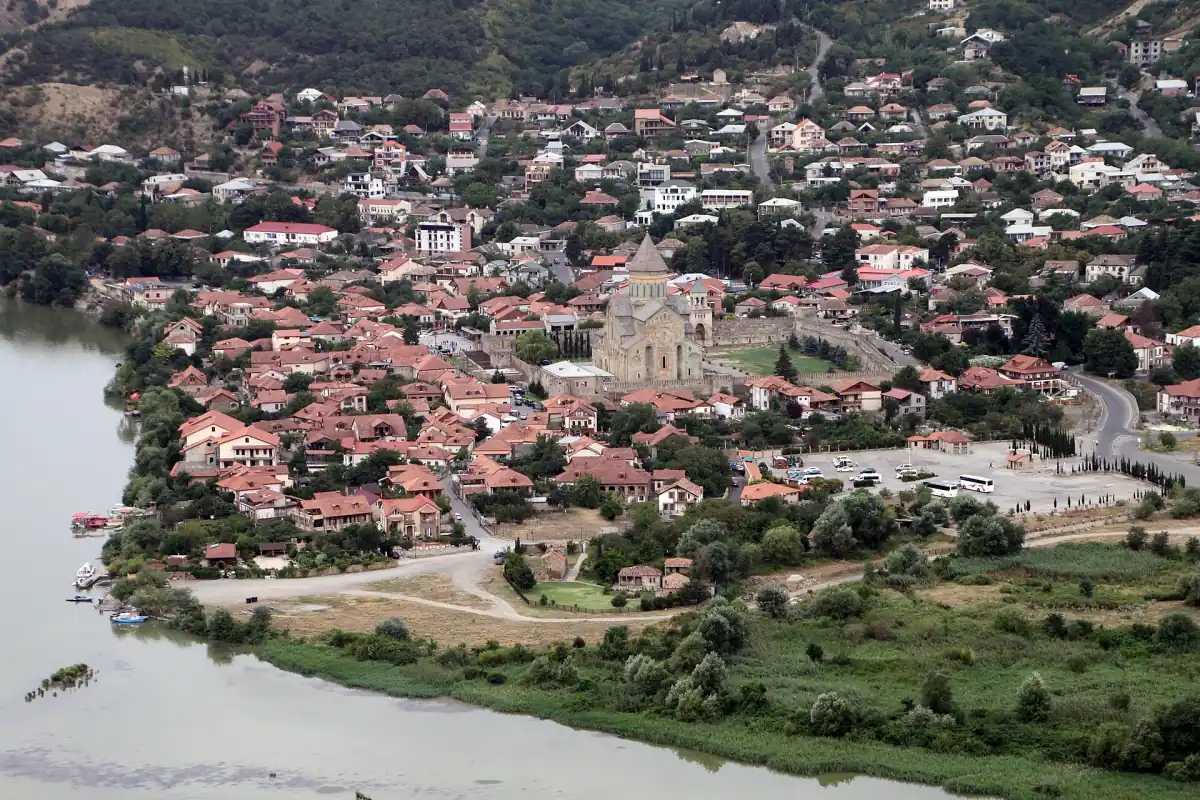
Mtskheta history begins well before the medieval churches that dominate a visit today. The town was the capital of Kartli from the third century BC until the fifth century AD. Its position at the meeting of the Aragvi and Mtkvari rivers gives the ancient capital a clear geographical setting. Start with that long political role, then consider how the adoption of Christianity changed the meaning of the city.
The surviving monuments belong to different periods. They should not be read as a single building campaign from the time of conversion. A visit to Svetitskhoveli Cathedral, the hilltop Jvari monastery and central Samtavro connects royal history, religious memory and later church building. A guide can put these places in sequence while the streets between visits give the story a present-day setting.
Our picks: historic routes
Our take: Choose on-board commentary for a Mtskheta visit or a longer route with a live guide. The minibus trip also includes Wi-Fi.
Hand-picked tours, booked through Viator and GetYourGuide. Prices are indicative starting prices in euros (as of October 2026). Tap a tour for live availability and the current price in your currency.
Mtskheta with on-board commentary
- Professional guide
- Live commentary on board
- Taxes and handling charges
A guided visit with commentary on board.
Check availability →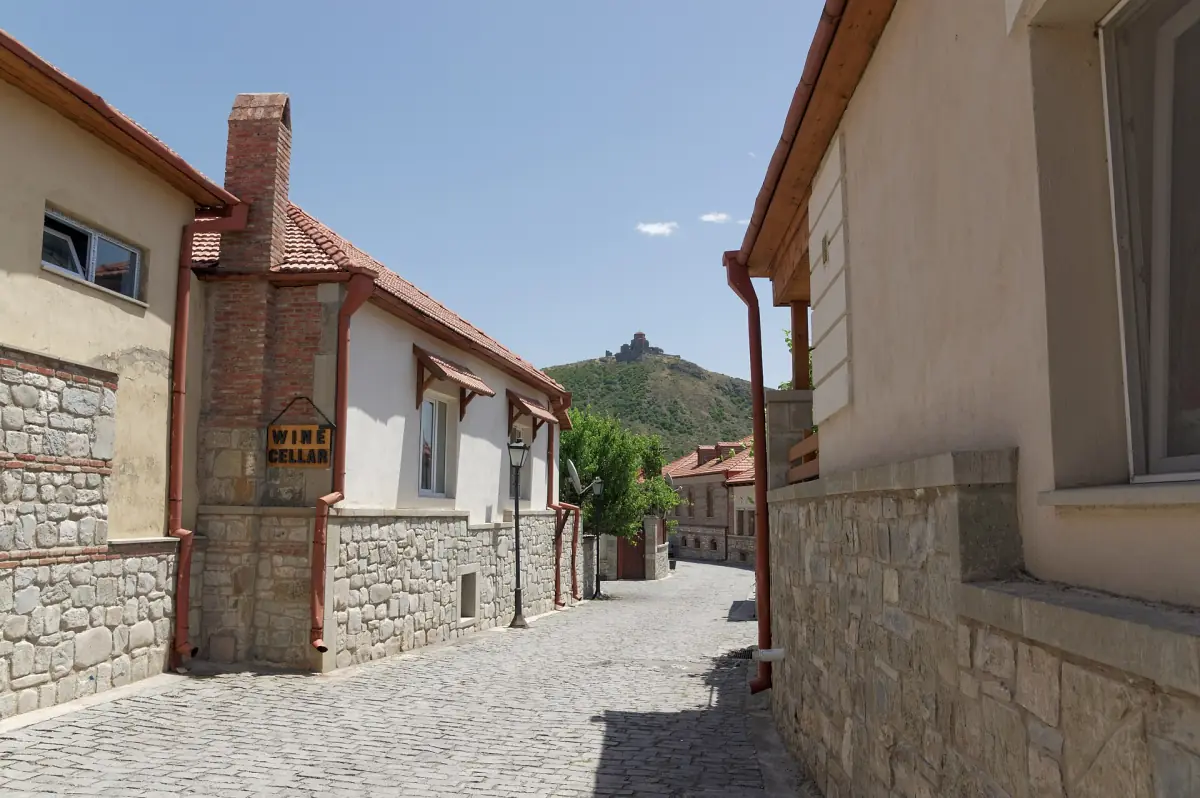
Mtskheta and historic sites from Tbilisi
- Comfortable transport
- Live guide service
Attraction tickets are optional and cost extra.
Check availability →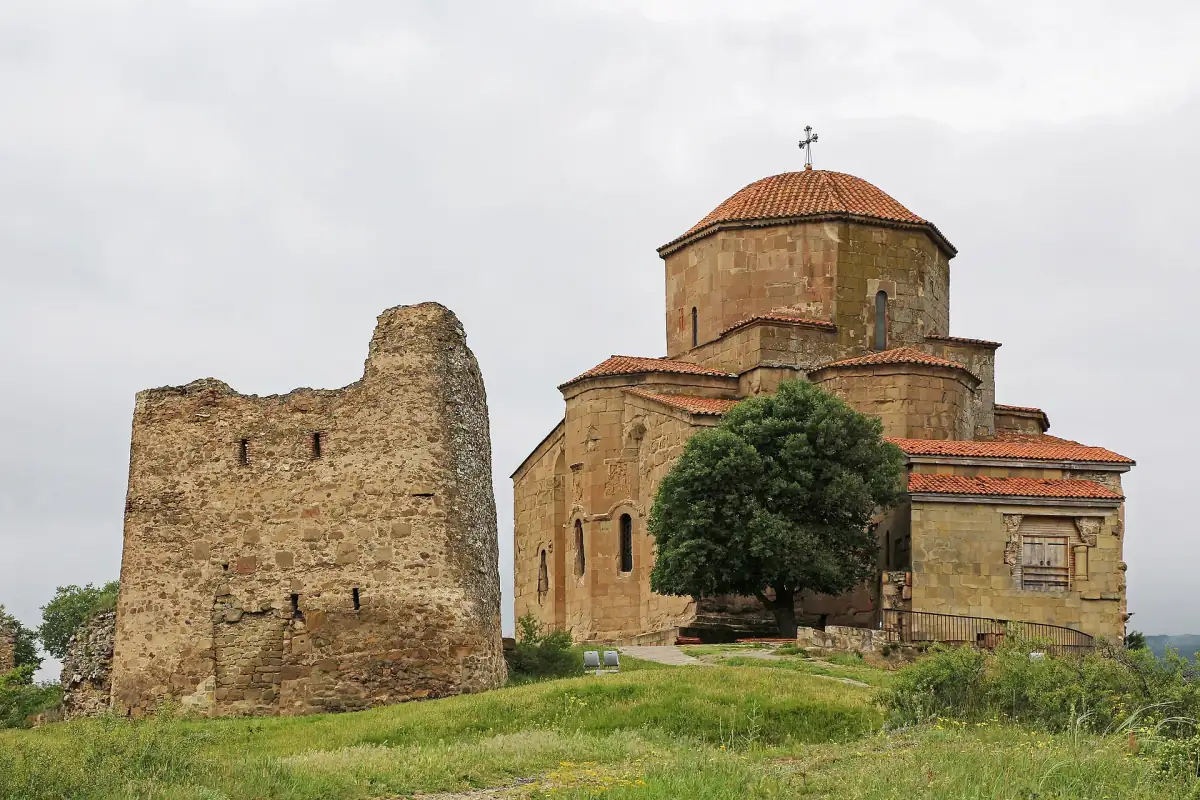
Historic route through Mtskheta
- Professional guide service
- WiFi on board
- Comfortable minibus
Travel from Tbilisi by minibus on a route that includes Mtskheta.
Check availability →Guided journeys through Mtskheta's past
Compare a cultural visit to the old capital with longer routes linking Mtskheta, Gori and Uplistsikhe. All three selected experiences include a guide.
Ancient history and the Christian kingdom
The capital period spans the centuries before and after the adoption of Christianity in 337. That overlap matters: Mtskheta was already a political centre when the new state religion became part of its story. Looking only at the churches can obscure the older city; looking only for ancient remains can miss the religious significance that continued through later centuries.
Samtavro brings the royal connection into the visit. The main church contains the graves of Mirian and Nana, and the complex is cared for by nuns. Its main church dates from the eleventh century. This places the surviving building much later than the conversion period while keeping the royal figures central to its religious meaning. Read the Samtavro monastery guide for the site itself.
Sacred stories and the cathedral
The story of Christ's robe, Sidonia, a cedar and a life-giving pillar belongs to the religious tradition associated with Svetitskhoveli. It explains the cathedral's place in sacred memory. Treat it as a tradition when listening to a guided account, alongside the historical information about patrons, architects and building phases.
The present main cathedral is an eleventh-century building commissioned by Catholicos Melchizedek and associated with the architect Arsukidze. An earlier wooden church is connected with King Mirian and the fourth century. Keeping those layers separate makes the visit more rewarding: the age of a sacred tradition and the age of the standing church answer different questions.
Jvari and the wider sacred landscape
Jvari stands on a rocky hill east of town, overlooking the rivers and Mtskheta. Its construction is associated with Stephanos I and the years 585 to 604. It therefore offers another chronological point between the conversion story and the eleventh-century main churches. The view also helps locate the town in its river landscape rather than treating the monuments as isolated stops.
For the structure and setting, continue to Jvari Monastery. For differences in church plans and spaces, use the separate architecture guide. A history-focused visit can concentrate instead on how each monument connects to political authority, royal remembrance and continuing religious life.
World Heritage and the town around it
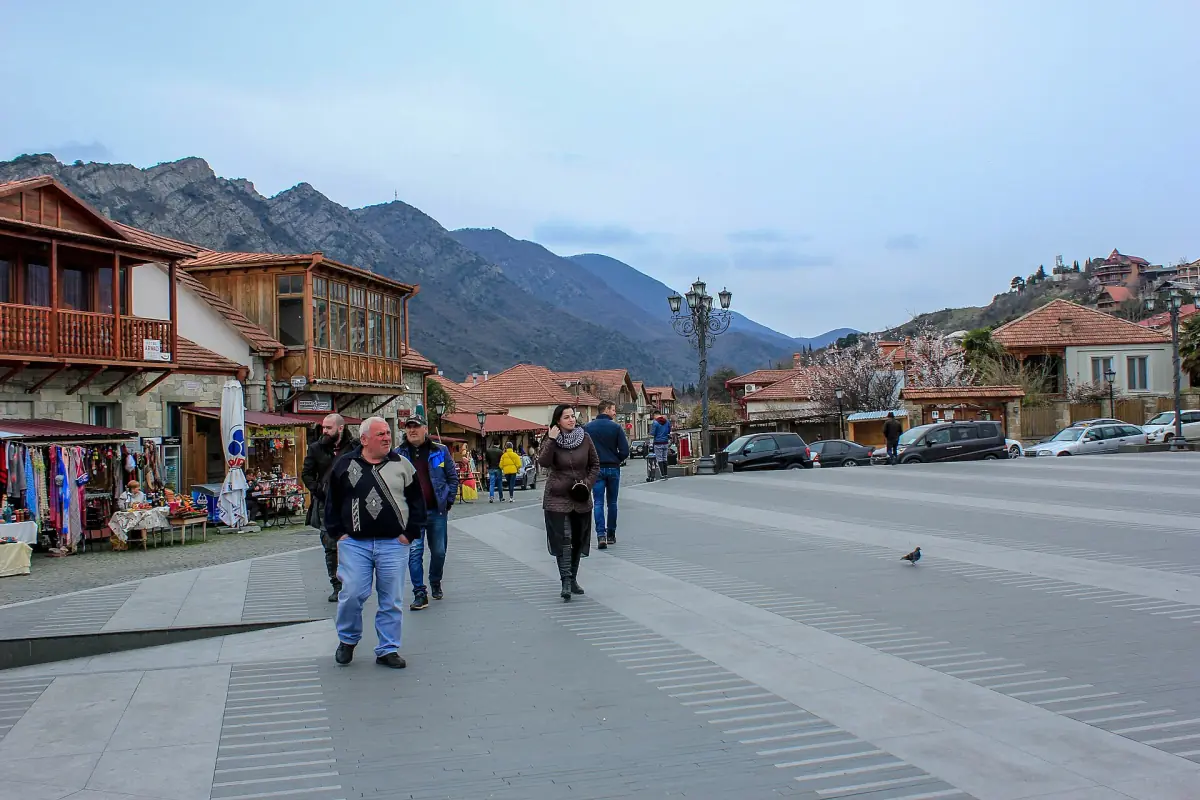
The World Heritage property comprises Jvari, Svetitskhoveli and Samtavro. Its inscription in 1994 recognises these historical religious monuments and their protected setting. The property was on the List of World Heritage in Danger from 2009 to 2016; that is a past period. The cobbled streets, souvenir shops and restaurants around the cathedral form the setting for a visit, while the three named components define the heritage property.
Uplistsikhe and Gori in a longer historical route
A combined trip broadens the geographical scope beyond Mtskheta. The selected ten-hour excursion with a live guide and transport starts at Galaktion Tabidze Street in Tbilisi; attraction admission is extra. Another day route includes a professional guide, minibus travel and Wi-Fi. Choose a longer route for the additional destinations, while leaving enough attention for the old capital. Continue with Uplistsikhe and Gori for their separate historical context.
Questions about Mtskheta's past
When was Mtskheta a capital?
It was the capital of Kartli from the third century BC until the fifth century AD. Christianity became the state religion in 337, within that capital period.
Which monuments belong to the World Heritage property?
Jvari, Svetitskhoveli and Samtavro are its three components. Schio-Mgvime is an additional monastery visit outside that list.
Which guided format fits a history visit?
Choose a cultural visit for attention to the old capital, or a combined day route for Mtskheta alongside Gori and Uplistsikhe. Compare the itinerary and included services on the tours page.