
Samtavro Monastery and Mtskheta’s royal story
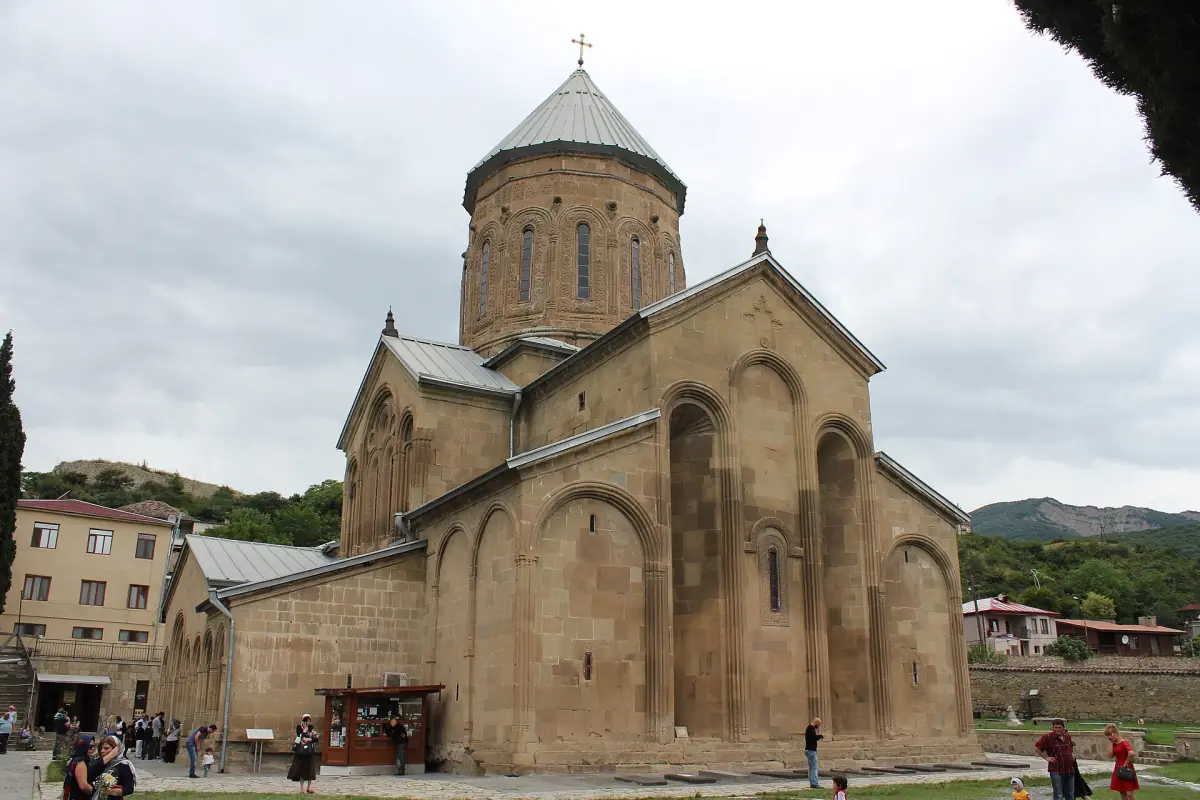
Samtavro Monastery is a convent in central Mtskheta, with a main church dating from the 11th century. The tombs of King Mirian and Queen Nana are in that church, linking the monastery to the story of Georgia's Christianisation. For a visitor, this gives Samtavro a focus of its own alongside the larger cathedral: royal memory and the setting of a convent belong together here.
The monastery is one of the three components of the UNESCO World Heritage property of Mtskheta, inscribed in 1994. The other two are Svetitskhoveli Cathedral in the centre and Jvari on a hill east of town. Samtavro is therefore both a religious place in its own right and part of a group that can structure a visit to Mtskheta. Keep its identity distinct from the Samtavro archaeological burial ground.
Mirian, Nana and the Christianisation of Kartli
Mtskheta was the capital of Kartli from the 3rd century BC to the 5th century AD. Christianity became the state religion in 337. The association of Mirian and Nana with Samtavro places the convent within this larger political and religious story. Their tombs are a feature of the main church, while the monastery's continuing identity is that of an establishment cared for by nuns.
Approach the royal association as a reason to understand the place, rather than as a promise of a particular encounter with the tombs. Let the day's local arrangements shape your visit. The Mtskheta history guide follows the broader chronology; Samtavro supplies a specific site through which to connect the names of the rulers with the religious monuments you encounter in the city.
Our pick: Samtavro church route
Our take: This church route combines Samtavro with a licensed guide and air-conditioned transport.
Hand-picked tours, booked through Viator. Prices are indicative starting prices in euros (as of October 2026). Tap a tour for live availability and the current price in your currency.
A half-day route naming Samtavro
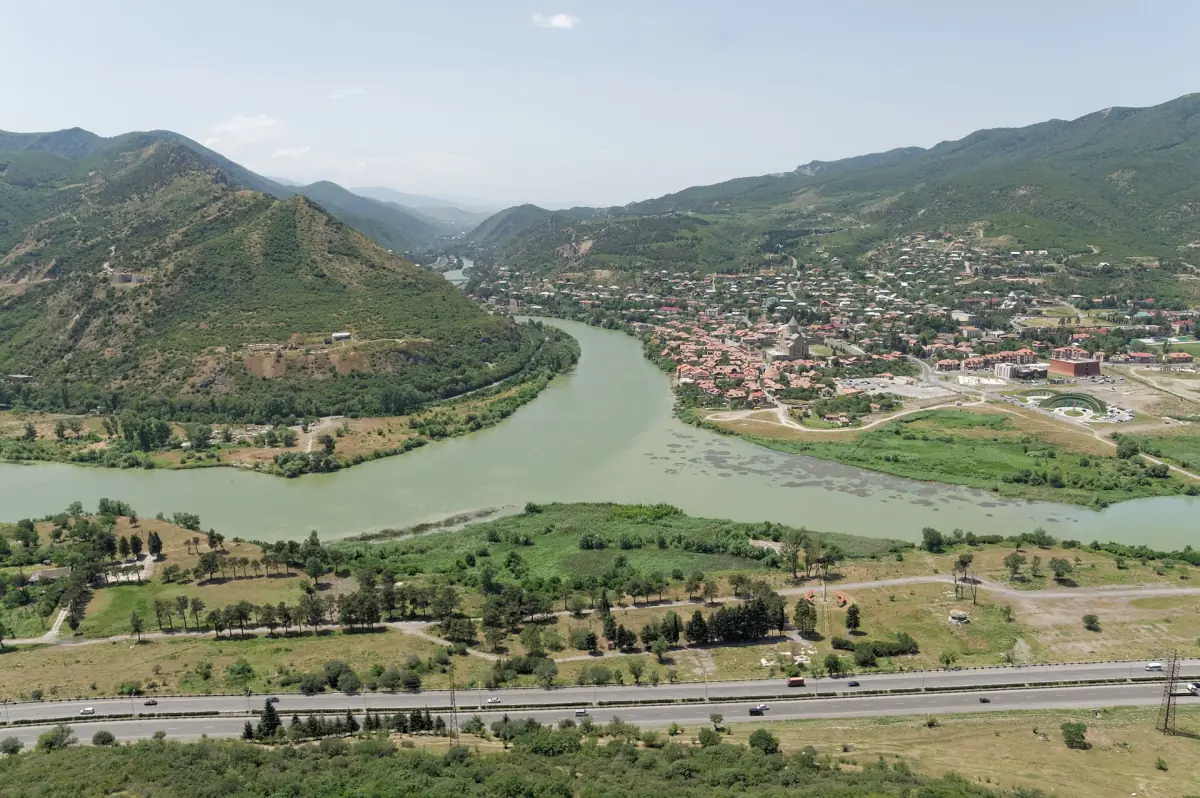
The church excursion includes a professional licensed guide and an air-conditioned vehicle, linking Mtskheta with Jvari and Samtavro.
The main church and the smaller St Nino church
The 11th-century main church is the clear architectural starting point. The smaller church associated with St Nino belongs to another part of the monastery's religious story. Treat the buildings as distinct when looking around the complex instead of assigning one date to everything within it. Mtskheta's monuments contain different building phases and restorations, so a foundation story and the appearance of a present structure need separate attention.
For a visitor interested in architecture, the useful comparison is with the other components of the World Heritage property. Svetitskhoveli Cathedral also has an 11th-century main building, with a high dome, cross-shaped form and wall paintings. Jvari Monastery has an earlier four-apse form and a hilltop setting. The architecture page brings these different spatial and structural features together.
A convent, a burial ground and a museum-reserve
Samtavro's convent and the Samtavro necropolis are separate places. The shared name can make a simple list of sights misleading, particularly if you are looking for archaeology rather than a church visit. The burial ground belongs to Mtskheta's archaeological landscape and is included among the sites of the Greater Mtskheta archaeological museum-reserve. Its identity should not be transferred to the monastery courtyard or main church.
That museum-reserve also includes Armaztsikhe, Armaziskhevi and a mausoleum tomb, and holds archaeological objects from different periods. If those are your main interest, plan the archaeological part of the day around the particular site and its current visiting arrangements. The sights overview places these interests alongside the churches and old town without treating the entire archaeological landscape as one open church complex.
A half-day church outing with Samtavro
The excursion shown here names Mtskheta, Jvari Monastery and Samtavro Church in its programme. Its stated duration is four hours, and its inclusions are a professional licensed guide and an air-conditioned vehicle. This makes it a transport-and-guiding option for connecting the town with the hilltop monastery, rather than a dedicated archaeological outing or a promise of access to every part of the convent.
Only two reviews were recorded for this product in November 2026. Choose it for the stated route and included services. Clarify the exact meeting point before booking, since the meeting instructions refer to an address without a useful precise location. For a wider comparison of local routes, see the Mtskheta excursions; for an outing incorporating other monastery stops, compare the private tours.
Fit Samtavro into a visit to the centre
Keep Samtavro and the cathedral together as the central religious part of your plan. The paved streets and cathedral surroundings provide an old town context, with craft sellers, souvenir shops and restaurants. Jvari then adds a separate hill journey, while Shio Mghvime requires another car or taxi trip outside the centre. This division helps you choose how much of the day to devote to town and how much to driving. At each religious site, follow the instructions you encounter and allow room for its use as a place of worship.
Questions about your visit
Is Samtavro in central Mtskheta?
Yes. The convent is in the centre, making it a natural companion to the cathedral during a town visit.
Where are Mirian and Nana associated with the monastery?
Their tombs are in the main church. Follow the local visiting arrangements during your visit.
Is the Samtavro necropolis part of the convent?
The burial ground is a separate archaeological site. Plan it according to your interest in archaeology rather than treating it as another name for the convent.